My Top Baby Formula Pick for 2026
US and European formulas, compared side by side
Want the TLDR? I compared 8 different baby formulas (three American, five European), fed most of them to my own baby, and this was my top pick (read on for my entire evaluation and testing process)
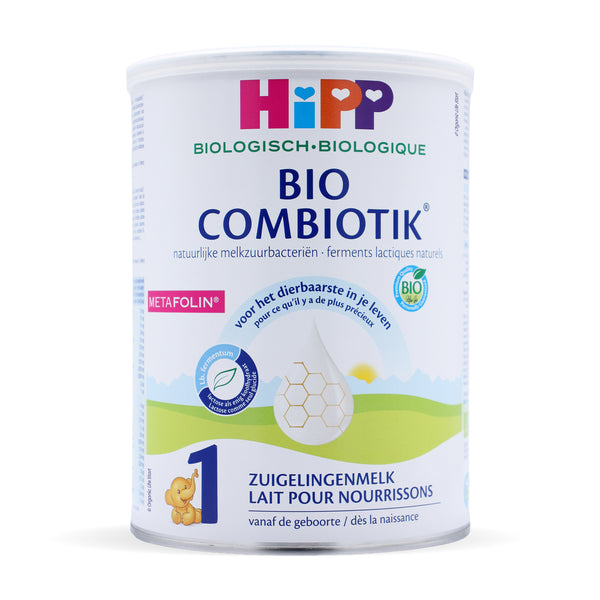
HiPP Dutch Stage 1 Combiotik
 Check Availability
Right now the US shop I order from runs a buy 3, get 4 starter pack with free shipping, and a Right Formula Guarantee if it turns out not to suit your baby.
What I liked
- Complete organic formula that’s close to breastmilk
- No corn syrup solids, starch, maltodextrin or gluten
- Prebiotic (GOS from lactose)
- Probiotic, specifically lactobacillus fermentum, a strain of beneficial bacteria found in breast milk
- Lactic cultures like those in breast milk
- Includes DHA and ARA
- EU organic certified, skim-milk based, no palm oil
- My baby took to it from the first bottle
What could be better
- You won’t find it in a US store, so you order ahead (2–5 business days from a US warehouse)
- The scoop chart is in grams and millilitres, so read it once carefully
My Top Baby Formulas
Eight formulas, ranked after feeding them to my own baby
Meet my little ones
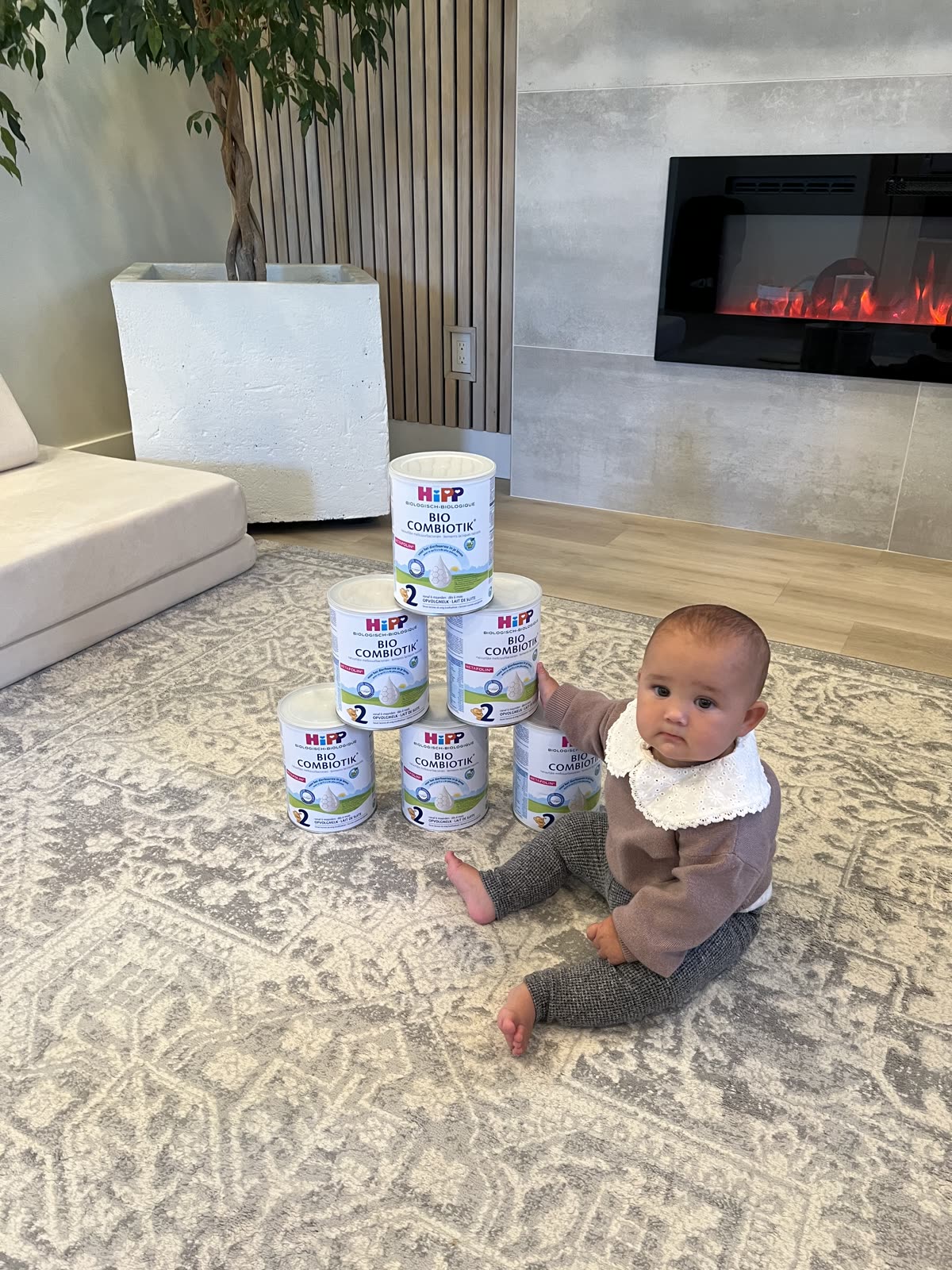
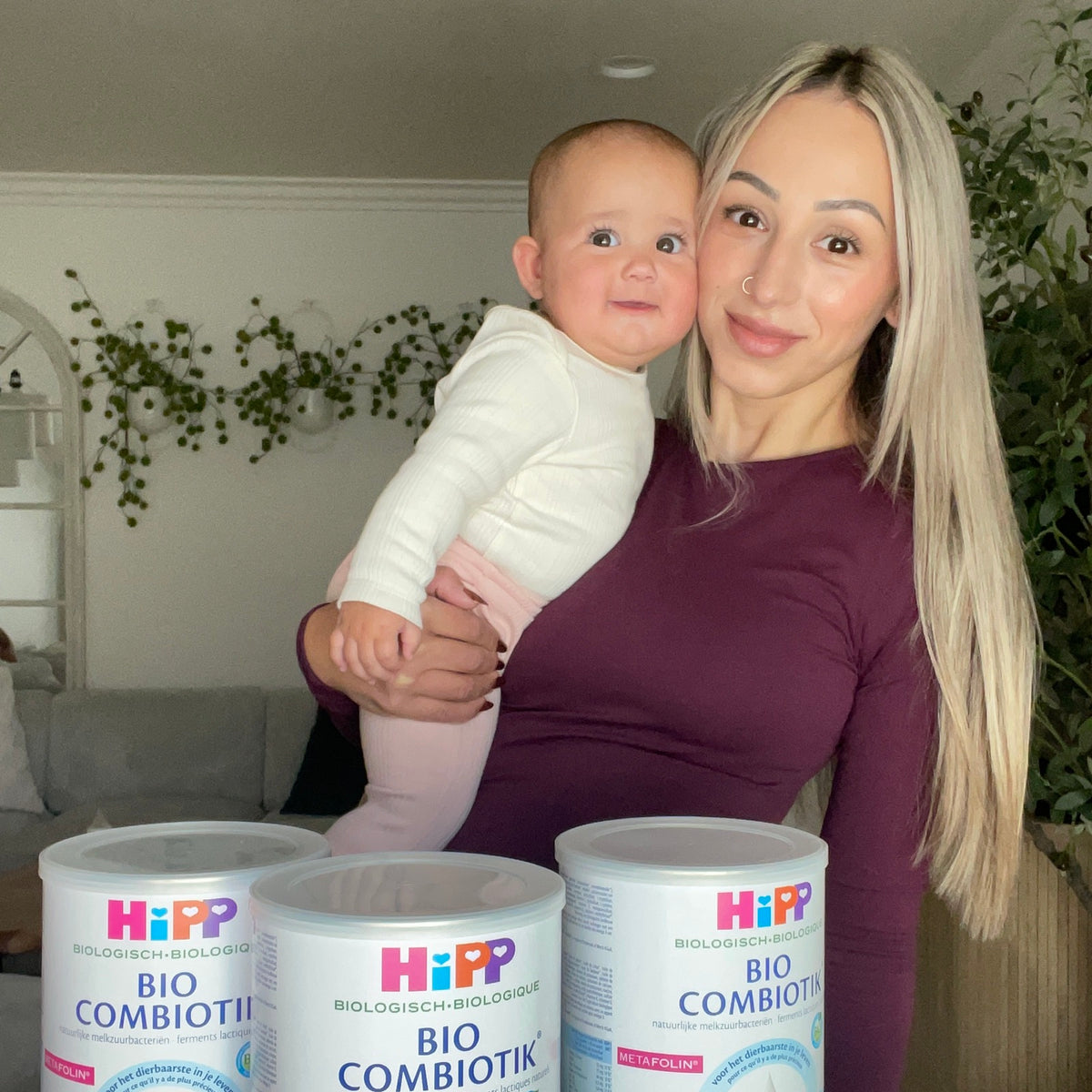
My youngest, the one this whole search was for, with the cans that finally stuck around :)
My research outcome
I’m a mom of three – a four-year-old, a three-year-old and a seven-month-old – so I’ve had plenty of firsthand experience navigating the world of infant formula. I was born in Russia, where HiPP was a familiar brand, and after moving to the U.S. I was surprised to discover that it wasn’t something I could simply pick up at a local store.
When I stopped producing enough breast milk for my first child, I started researching my options. I tried a couple of U.S. formulas first, but my baby seemed much fussier and had more trouble with digestion. Switching to a European formula made a noticeable difference for us, and I’ve continued using it with all three of my children. Over time, I became the person who checks the ingredient list, compares nutritional information, and double-checks the tin before ordering another batch.
This in-depth, parent-friendly guide will help you find the best formula for your family. You will learn about my experience, what to watch out for when buying European formula in the US, and where you can reliably get the one I chose. I also created a comparison chart that summarizes all of my research. I update this post monthly to ensure that all of the information below is recent and accurate!
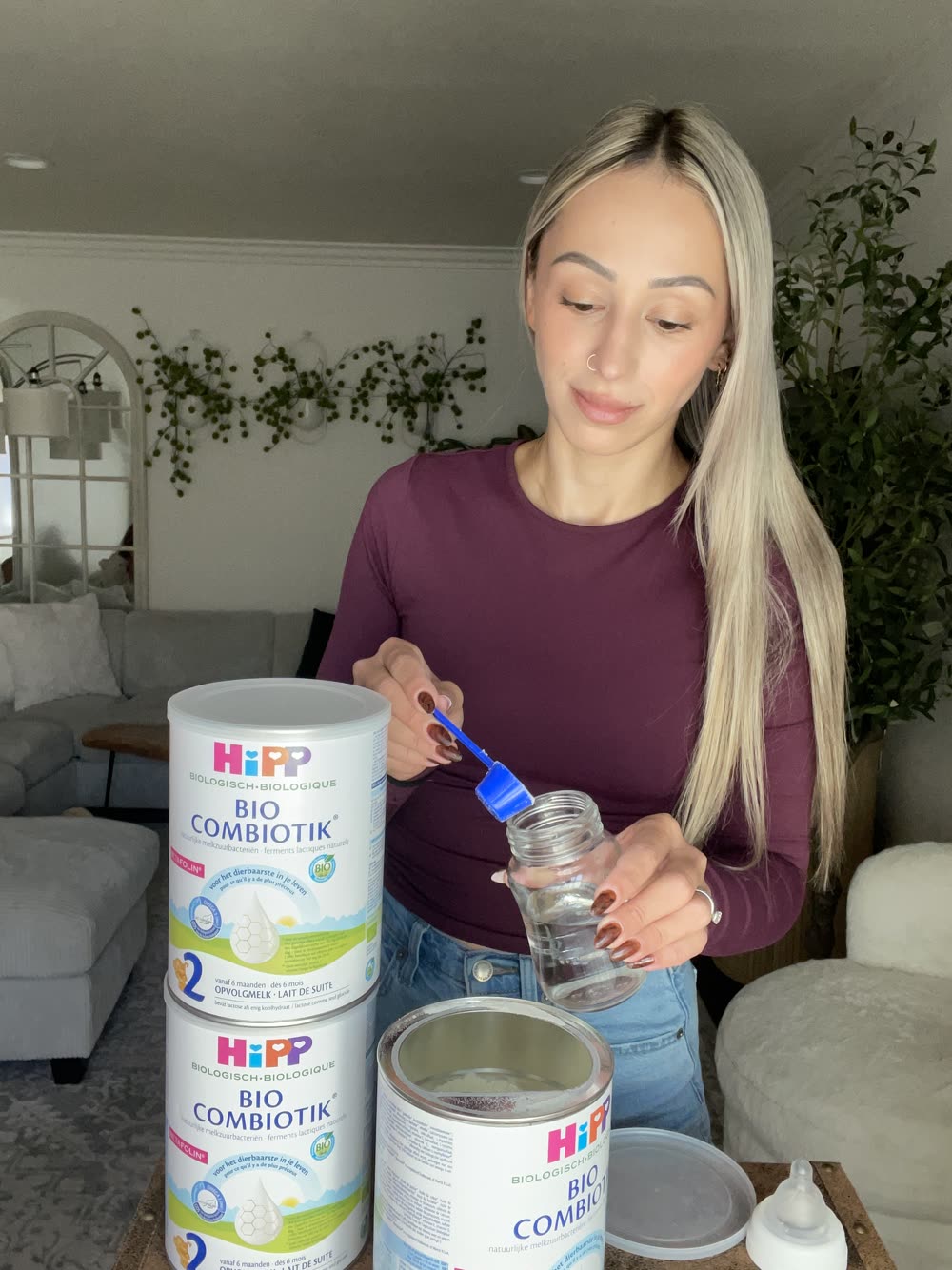
Evening bottle, same routine for three babies now.
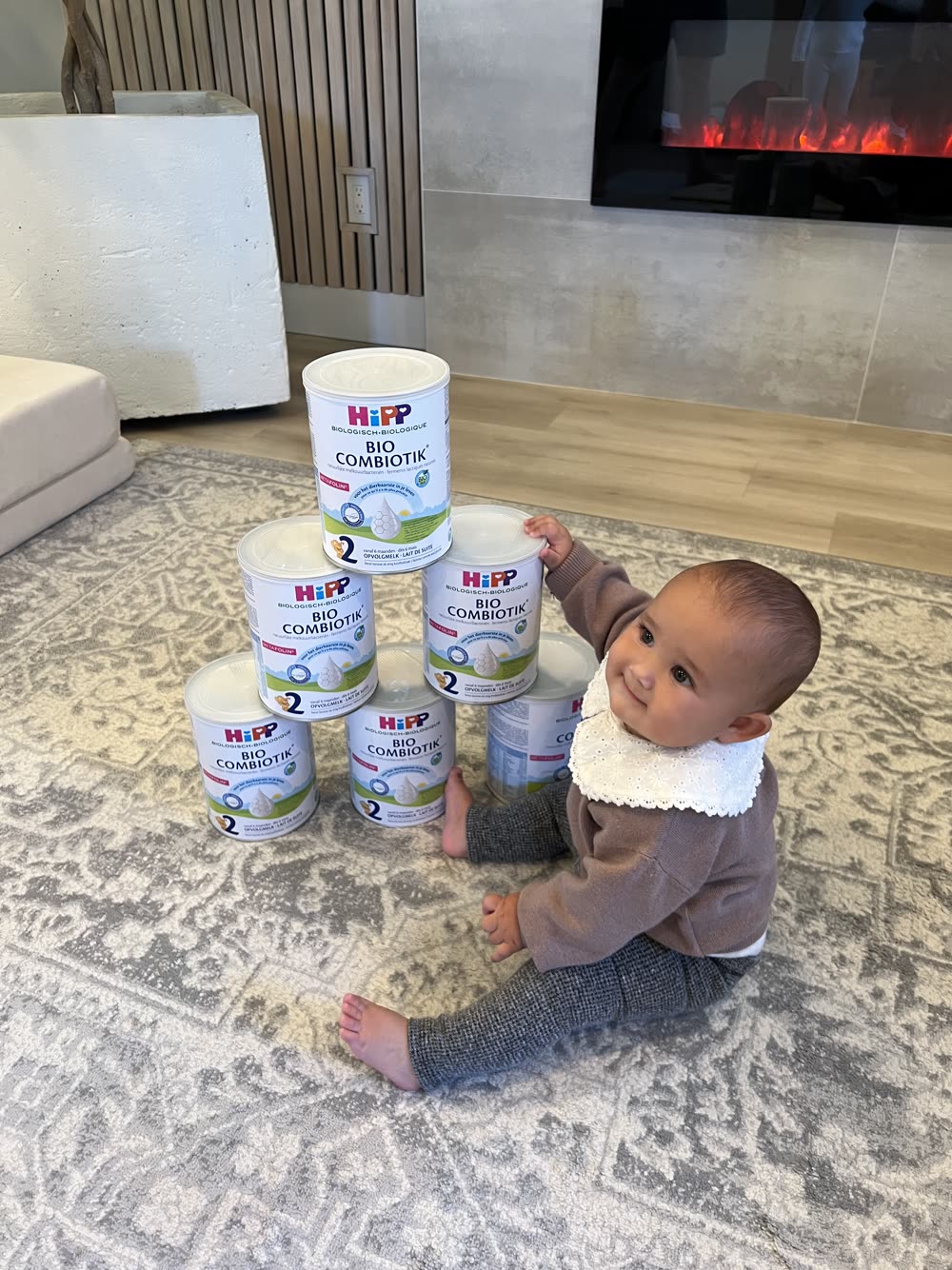
Someone approves of the latest delivery :)
Why you need to make sure the formula is right for your baby
Finding a formula that suited my baby mattered to me for a few reasons:
1. Every feed is a chance for things to go sideways - With the first formulas we tried, my baby was gassy, spitting up and fussy for a good part of the evening. Nobody in the house slept well, and I was second-guessing everything. Once we found a formula that agreed with her, the evenings calmed down for us. I can’t promise the same for your baby, but I can tell you what to look for.
2. “Organic” and “gentle” on a US label don’t tell you what’s in the tin - A lot of the US formulas marketed for sensitive tummies are built on corn syrup solids or corn maltodextrin instead of lactose. European organic rules are stricter about what goes in, and the ingredient lists are shorter. Check out the Kendamil, HiPP, Holle and Lebenswert ingredient lists – you’ll never find things like corn syrup solids in them.
3. Buying European formula means buying it from someone reliable - These formulas aren’t sold in US stores, so you order online. There are grey-market resellers with old stock and no English instructions. I only order from an established US distributor that ships from a US warehouse, keeps the stock fresh, and will actually answer the phone if a shipment goes missing.
Factors that matter for a baby formula
Since my baby would be living on this stuff for the best part of a year, I was pretty picky about the formula I chose! As a starting point, these were the factors I considered when comparing formulas:
Milk base - I wanted lactose as the carbohydrate, like breast milk, not corn syrup solids, glucose syrup or maltodextrin. This single ingredient line split the eight formulas into two groups straight away.
Organic certification - EU organic (and Demeter for Holle) covers how the cows are raised and fed, not just a handful of ingredients. The US organic formulas I tried still had the corn-based sugars.
Prebiotics and probiotics - Breast milk contains both. Very few formulas contain both. This ended up being the deciding factor for my winner.
DHA and ARA - All EU infant formulas are now required to include DHA. In the US it’s optional, so it’s worth checking the label.
What’s left out - No palm oil, no soy, no added sugar, no gluten, no starch. Shorter list, happier me.
How my baby actually did - Spit-up, gas, how long she stayed full, and how our evenings went. This is just my baby and my notes, not a clinical trial, but it’s what I cared about most.
Cost - Formula adds up fast. I looked at the price per can, how far a can goes, and whether there’s a subscription or a multi-can deal.
Where you can reliably buy it - Fresh stock, climate-controlled shipping, a US warehouse, and a real customer service team. For imported formula this matters as much as the ingredients.
The formulas I compared
US and European, ranked
HiPP Dutch Stage 1 Combiotik
Check Availability
Buy 3, get 4 with free shipping for new customers, plus a Right Formula Guarantee.
What I liked
- Complete organic formula that’s close to breastmilk
- No corn syrup solids, starch, maltodextrin or gluten
- Prebiotic and probiotic in the same tin
- Includes DHA and ARA
- Easy ordering from an established U.S. distributor
What could be better
- Not in US stores, so plan your orders
Why I chose to buy it
I grew up around HiPP, so it was the first European formula I looked up when the US ones weren’t working for us. What sold me was the ingredient list: lactose, organic skim milk, vegetable oils without palm oil, a prebiotic, a probiotic, DHA. No corn syrup solids, no maltodextrin, no starch. It read like the shortest list of the eight, and the one closest to what I was trying to replace.
My experience using HiPP Dutch
My baby took the first bottle without a fuss, which had not happened with the two US formulas we tried before it. Over the first week the evening gas and spit-up that had been wearing us all down settled for us, and she started going longer between feeds. I’m not a doctor and every baby is different, but for us it was the first formula that didn’t feel like a compromise. I’ve now used it, and the Stage 2 and 3 that follow it, with all three of my kids.
The one thing to know: you can’t grab it at Target. I order it from a US distributor that ships from a US warehouse in 2–5 business days, and I keep a spare can in the cupboard. They currently run a buy 3, get 4 starter pack for new customers, which is how I’d start if I were doing this again.
Summary
When it comes to something like my baby’s only food, for me, I’m willing to go above and beyond to get it right, which is why I researched high and low. I’m so happy I did because HiPP Dutch has been the one constant through three babies. Organic, close to breast milk, and my kids thrived on it.
What I liked
- Contains prebiotics
- DHA from plant sources (fully vegetarian)
- Non-GMO
- Organic whole milk
- No palm oil
- Easy ordering from established U.S. distributor
What could be better
- Doesn’t have a probiotic
My experience with Kendamil Organic
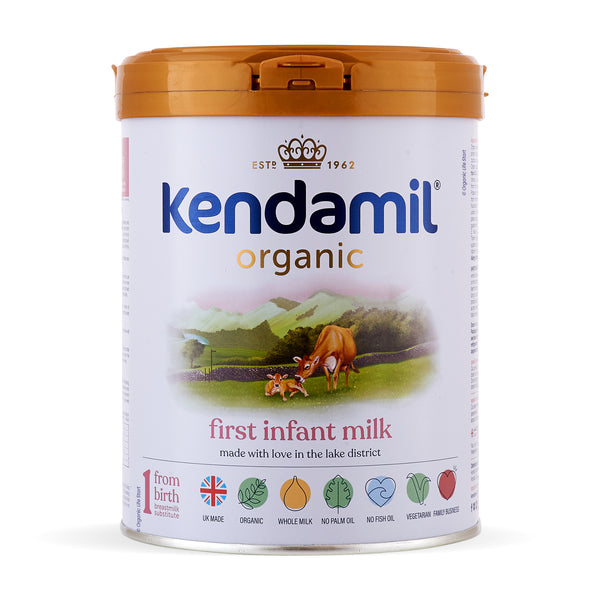
Kendamil is the one I’d point a friend to if HiPP were out of stock. It’s made in the UK from organic whole milk, so the fat comes from milk rather than palm oil, and the DHA comes from algae. My baby did well on it, and it mixes easily without foaming. The reason it isn’t my winner is simple: there is no probiotic in the tin, and for us that was the thing that seemed to make the difference.
Summary
A very close second, slightly cheaper per can, and from the same distributor. If your baby is doing fine on it, I wouldn’t switch.
What I liked
- Organic whole goat milk, Demeter-certified farms
- A gentle option if cow’s milk formula isn’t agreeing with your baby
- Includes DHA
What could be better
- Contains maltodextrin alongside the lactose
- No prebiotics or probiotics
- Pricier per can
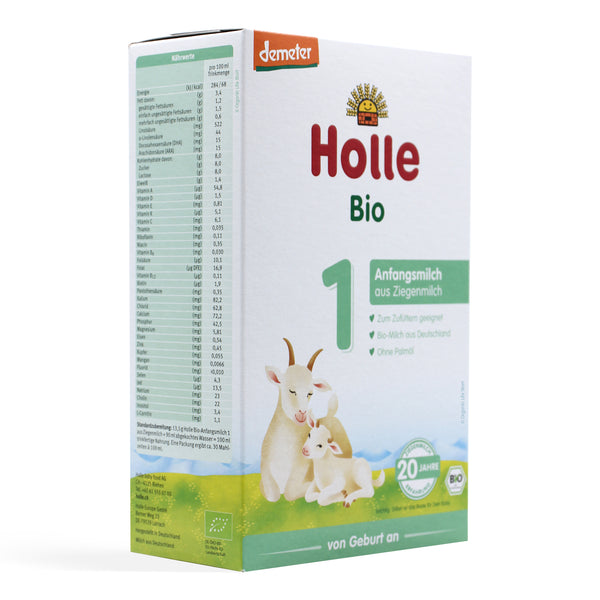
My experience with Holle Goat
I tried Holle Goat for two weeks when I was wondering whether cow’s milk itself was the problem. It wasn’t, for us, but I can see why so many parents swear by it. The milk comes from biodynamic farms and the tin smells like, well, goat milk, which my baby didn’t mind at all. What kept it off the top spot is the maltodextrin in the ingredient list and the lack of any pre- or probiotic.
Summary
If you’re looking specifically at goat milk, this is the one I’d try. For an everyday cow’s milk formula, HiPP or Kendamil give you more in the tin for less.
What I liked
- The shortest ingredient list of the eight
- Lactose only, no maltodextrin in Stage 1
- Bioland organic, no palm oil
- Usually the most affordable European option
What could be better
- No prebiotics or probiotics
- Stage 2 and 3 add maltodextrin, so check the tin when you move up
My experience with Lebenswert
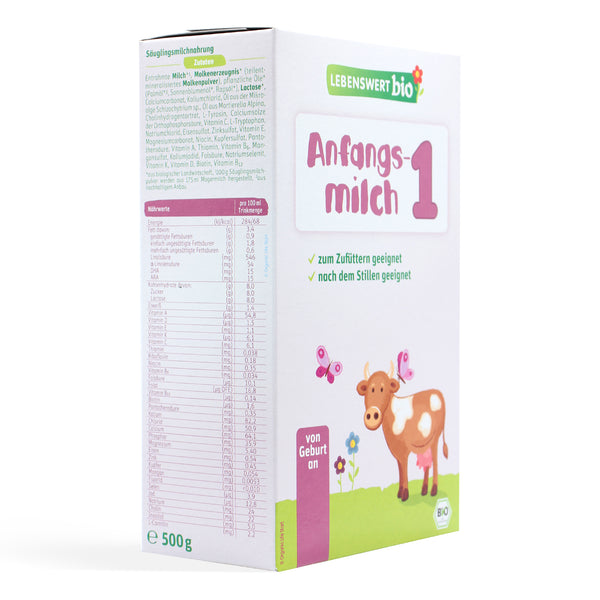
Lebenswert is Holle’s simpler cousin: organic cow’s milk, lactose, oils, vitamins, done. It was the first European formula a friend recommended to me and I used it happily for a stretch with my first. It’s also usually the cheapest of the European options. I moved on because I wanted the prebiotic and probiotic, but for a “clean and simple” formula it’s hard to beat.
Summary
Great value and a very clean label. If your budget is tight and your baby is doing well, Lebenswert is a solid choice.
What I liked
- Hydrolyzed (broken-down) milk protein for babies who need it
- Same prebiotic and probiotic as the Combiotik range
- Includes DHA
What could be better
- Not organic
- Contains starch; mixes thicker
- Only worth it if your pediatrician points you this way
My experience with HiPP HA
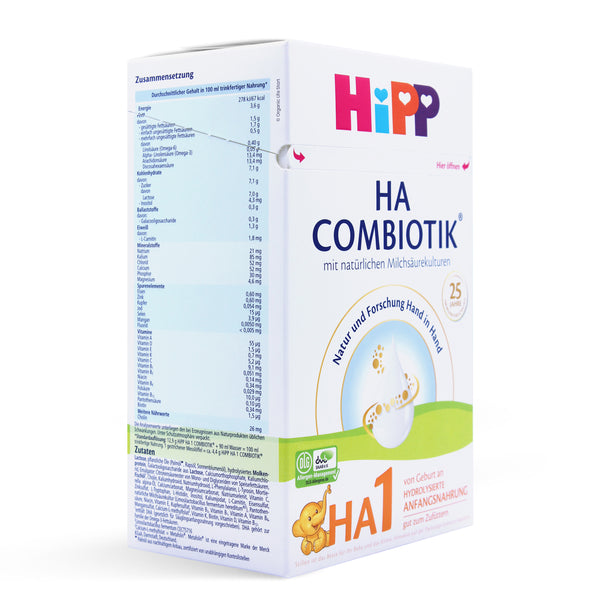
I bought one can of the HA when I was convinced my baby had a protein issue. She didn’t, and we went back to the regular Dutch Combiotik, but I keep it on this list because it’s the one I’d try, with my pediatrician’s okay, if she had. It has the same pre- and probiotic combination as my winner, the protein is hydrolyzed, and it isn’t organic.
Summary
A specialist formula, not an everyday one. Talk to your doctor first.
What I liked
- USDA organic and easy to find in US stores
- Includes DHA and ARA
- Affordable
What could be better
- Corn syrup solids replace most of the lactose
- No probiotic
- Didn’t help with the fussiness for us
My experience with Earth’s Best Sensitivity
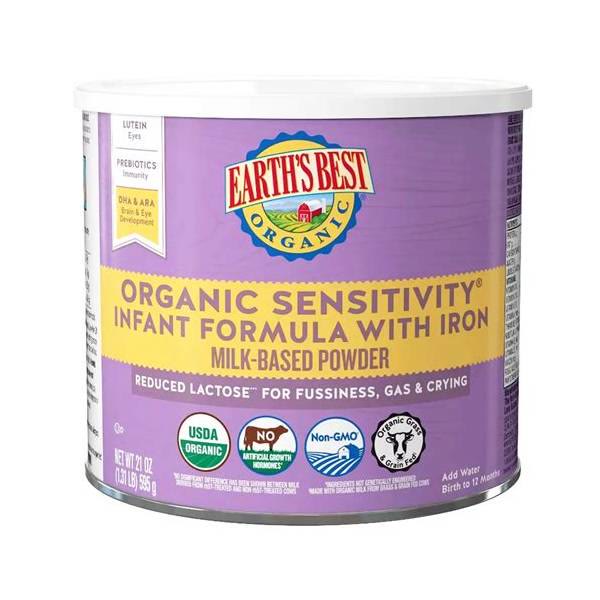
This was my second US attempt, chosen because it says organic on the front and “sensitivity” on the label. The organic part is true. The sweetener, though, is corn syrup solids, which is the opposite of what I was looking for by then. My baby was about the same on it as on the Similac, which is to say not great for us.
Summary
The best of the three US formulas I tried, and a fine option if you need something from the store shelf today. Read the back of the tin, not the front.
What I liked
- Non-GMO
- Has a prebiotic (2’-FL HMO) and DHA
- In every store
What could be better
- Corn syrup is the first ingredient
- Not organic
- Made my baby fussy
My experience with Similac Pro-Sensitive
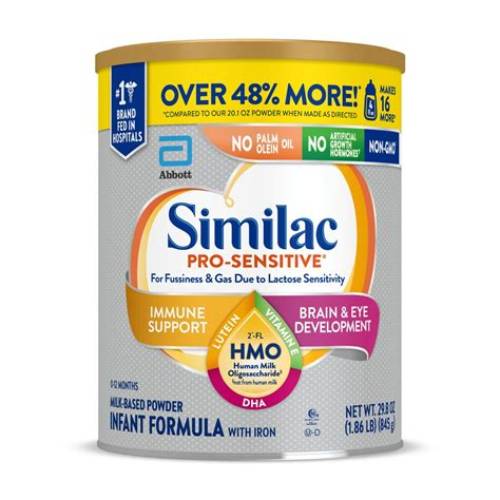
This is the one the hospital sent us home with, and the one most of my friends use, so it’s where I started. It does what it says on the tin for a lot of babies. For mine, the evenings were gassy and fussy, and when I finally read the ingredients I understood why I wanted to look further: corn syrup is the very first ingredient.
Summary
Nothing wrong with it if your baby is happy on it. If yours isn’t, this is the point where I’d start looking at the European options.
What I liked
- Non-GMO
- Affordable
What could be better
- Smells horrible
- Made my baby fussy
- Very foamy
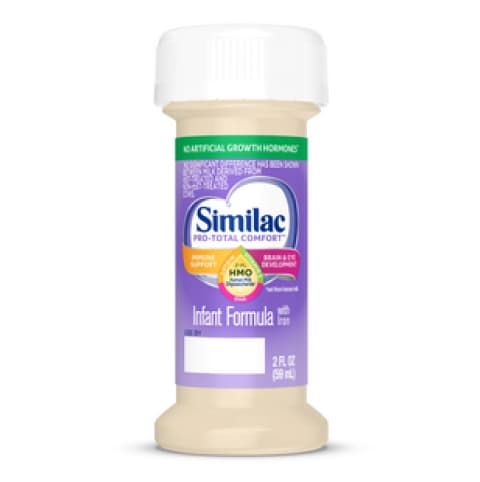
My experience with Similac Pro-Total Comfort
The pediatrician’s office suggested this one when the Pro-Sensitive wasn’t working. The protein is partially broken down, which some babies need. Ours didn’t take to it: the smell is strong, it foams up like a milkshake when you shake it, and the fussiness didn’t change for us.
Summary
If your doctor recommends a partially hydrolyzed formula, there are versions of this from HiPP too (the HA above). I’d rather go that route.
Comparison chart
Considering all of my important factors for a formula (listed above), I created this comparison chart with the help of a friend (she’s a mom of twins who went through exactly the same search). Everything here can be found on the respective formula’s nutrition label or website.
| Organic | Lactose only | Prebiotic | Probiotic | DHA | |
|---|---|---|---|---|---|
| Ideal formula | |||||
| WinnerHiPP Dutch | |||||
| Kendamil Organic | |||||
| Holle Goat | |||||
| Lebenswert | |||||
| HiPP HA | |||||
| Earth’s Best Sensitivity | |||||
| Similac Pro-Sensitive | |||||
| Similac Pro-Total Comfort |
*comparison across the criteria that mattered to me. “Lactose only” means no corn syrup solids, glucose syrup or maltodextrin in the Stage 1 tin.
Why I chose HiPP Dutch as the best baby formula
To recap, when it comes to something like my baby’s only food, for me, I’m willing to go above and beyond to get it right, which is why I researched high and low. I’m so happy I did because HiPP Dutch has carried us through three babies: organic, lactose-based, with the prebiotic and probiotic that most tins leave out, and from a US distributor that has never let me down on a delivery.
If you want to try it, start with the buy 3, get 4 starter pack. It’s the cheapest way in, and the Right Formula Guarantee means you’re not stuck with cans if your baby disagrees with me.
Look, mamas. We have enough to worry about. Some things don’t go as planned (breastfeeding didn’t, for me) but that doesn’t mean you have to feel shame or guilt about when they don’t. Resources are out there for a reason. Considering all of my important factors for a formula (listed above), I created this comparison chart so you don’t have to start from scratch like I did.
There’s never a reason to be anxious about this or go in blind. I hope this blog helps you make the right decisions for your baby. Reach out if you need support and never forget you’re doing a damn good job, mama!
Real talk: I may earn an affiliate revenue when you purchase via my blog. This keeps it free of ads. Thanks for your support!
This page is my personal experience as a parent and is not medical advice. Breast milk is the best food for infants. Please talk to your pediatrician about your baby’s feeding, and always follow the preparation instructions on the tin.